

Across regional Australia, public libraries are facing many of the same challenges. Budgets remain tight while the costs of running a modern library continue to rise, and patrons’ needs evolve. This all leads to staff having to do more with fewer resources.
For many libraries, the question is no longer simply which library management system should we use? Increasingly, it's how can we work together to deliver better services?
That question was at the heart of the Regional WA Library Consortium, an initiative led by the City of Albany that has grown from just 14 libraries in 2018 to 43 libraries across 28 local governments today.
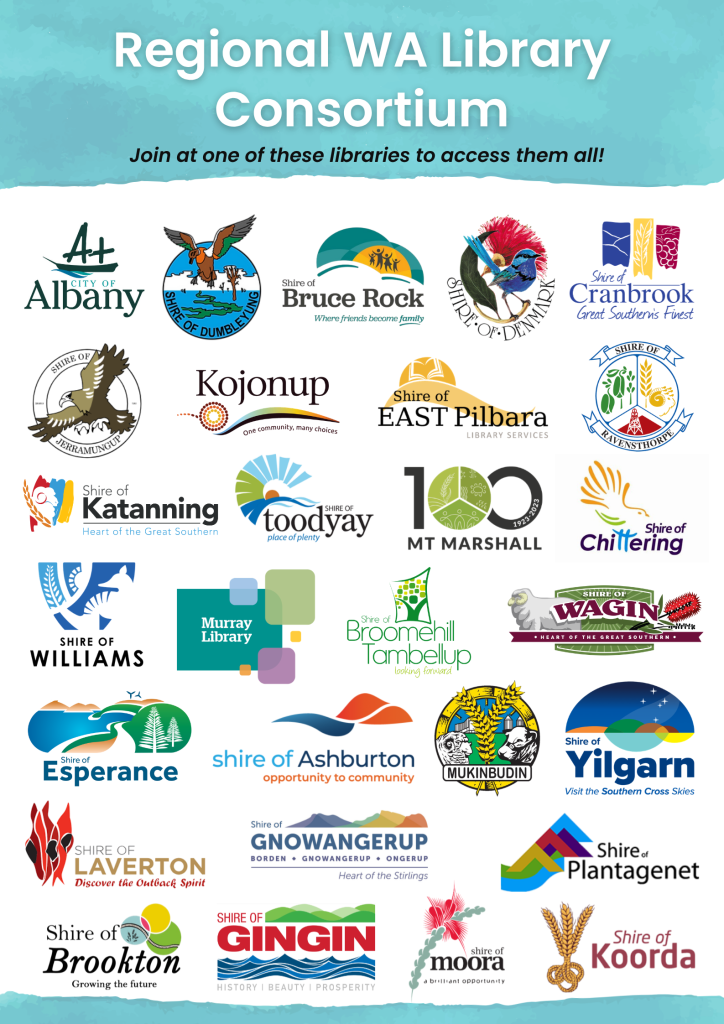
Rather than each library navigating technology, training and support alone, the consortium had been built around a simple idea: share knowledge, share expertise and make modern library services accessible for regional communities.
As Albany Library Systems Coordinator Kimberly Stoney explained, the consortium wasn't originally about expansion.
"We realised neighbouring libraries that had traditionally relied on us for support simply didn't have the resources to modernise on their own. We wanted to create a model that made it affordable and achievable."
Today the consortium spans more than 1,800 kilometres, serves around 140,000 residents and collectively manages more than 300,000 items while facilitating over half a million loans each year.
But the numbers only tell part of the story.
Support was the deciding factor
When Murray Library joined the consortium, it wasn't because it needed a new library management system. The library was already using Spydus. Instead, Senior Library Officer Chloe Jones says the attraction was something much more valuable: people. "The reason we joined was the support."Jones describes having experienced colleagues available whenever questions arise – from cataloguing and reporting through to implementing entirely new services.
"If something comes up and you're not sure what to do, Albany is there. Usually they've already encountered it before, and if they haven't, they'll work it out with you."
For a regional library, that support extends well beyond technical assistance. The consortium provides regular training, an extensive shared knowledge base containing more than 120 documented procedures, and an active community where members openly exchange ideas and solve problems together.
"It creates a network where no question feels like a silly question," Jones says.
That collaborative environment has also encouraged innovation.
When Murray Library wanted to establish book club collections – something no other consortium library had attempted, the support team helped develop the process, creating a model others can now follow.
Making a major transition easier
Esperance Library's experience demonstrates another side of collaboration.
After almost 26 years using Amlib, the library faced the significant task of migrating thousands of records to a new system.
Library Manager Krissy Hindley says the transition involved extensive preparation, including improving metadata across nearly 18,000 collection items.
While the project required considerable effort, having experienced partners made a significant difference.
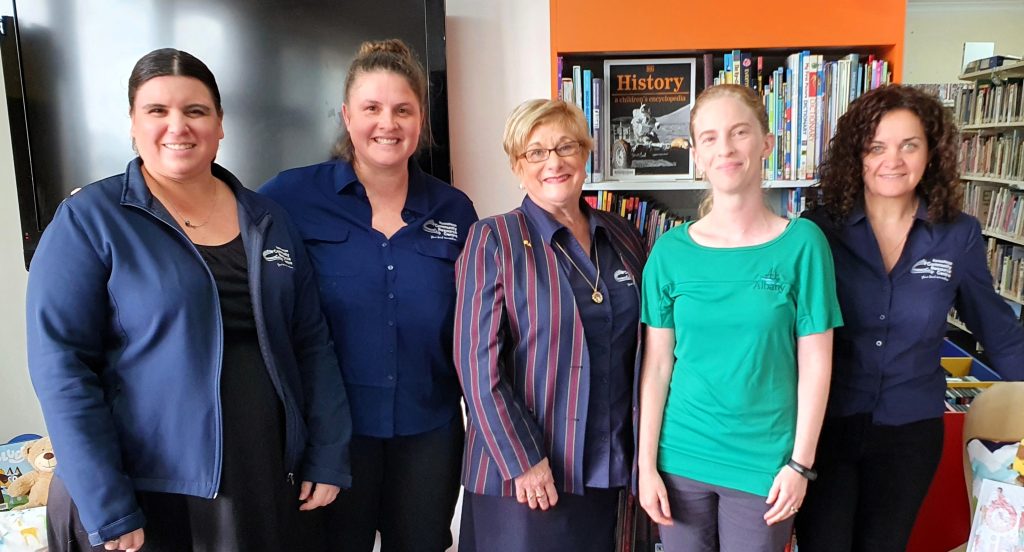
"One of the key components for us was having relatively local support. We had the confidence that if we had an issue, we could contact the team and get help quickly."
Rather than managing the migration alone, Esperance worked alongside Albany throughout planning, testing, staff training and go-live.
The result? "The transition worked relatively smoothly."Hindley says one of the biggest improvements has been the time saved through automation and streamlined reporting.
"Not having to manually generate reports every month has been a massive time saver."
She also appreciates improvements to the public experience.
"Working with Amlib was kind of like working with a digital brick," she jokes. "The newer interface is much more intuitive."
More than shared technology
While shared systems often attract the attention, consortium members consistently point to something else as the greatest benefit: shared expertise.
Regional libraries frequently operate with small teams where specialist knowledge can be difficult to access. Staff turnover can leave gaps in experience, while changing legislation, privacy requirements and community expectations continue to grow.
Within the consortium, members are no longer solving those challenges independently.
Libraries share procedures, policies, reporting templates, implementation experiences and practical advice. Quarterly working groups and annual meetings provide opportunities to learn from each other's successes and mistakes, reducing duplication and helping new ideas spread more quickly.
Importantly, participation remains flexible. Libraries retain their own branding, policies and local identity while choosing whether to participate in services such as shared collections.
A model built on collaboration
The Regional WA Library Consortium illustrates a broader trend emerging across Australian public libraries.
Increasingly, innovation isn't about any single piece of technology.
It's about finding new ways to work together.
For regional libraries facing common challenges, collaboration can reduce costs, strengthen capability, build resilience and create opportunities that would be difficult to achieve individually.
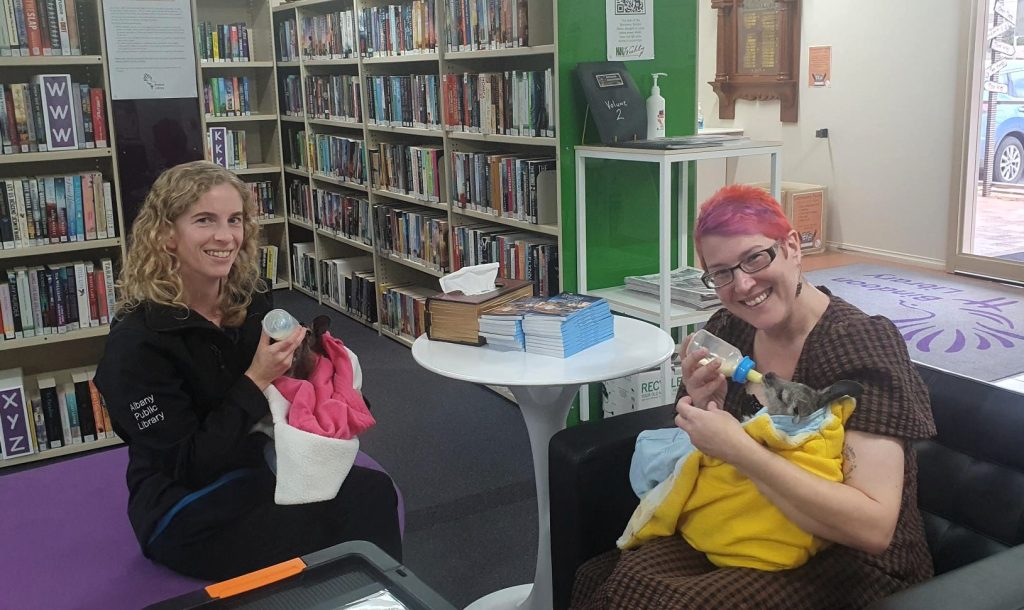
As libraries continue evolving to meet changing community expectations, perhaps the greatest lesson from regional Western Australia is that the future isn't simply about sharing systems. It's about sharing knowledge, confidence and success.


0 Comments