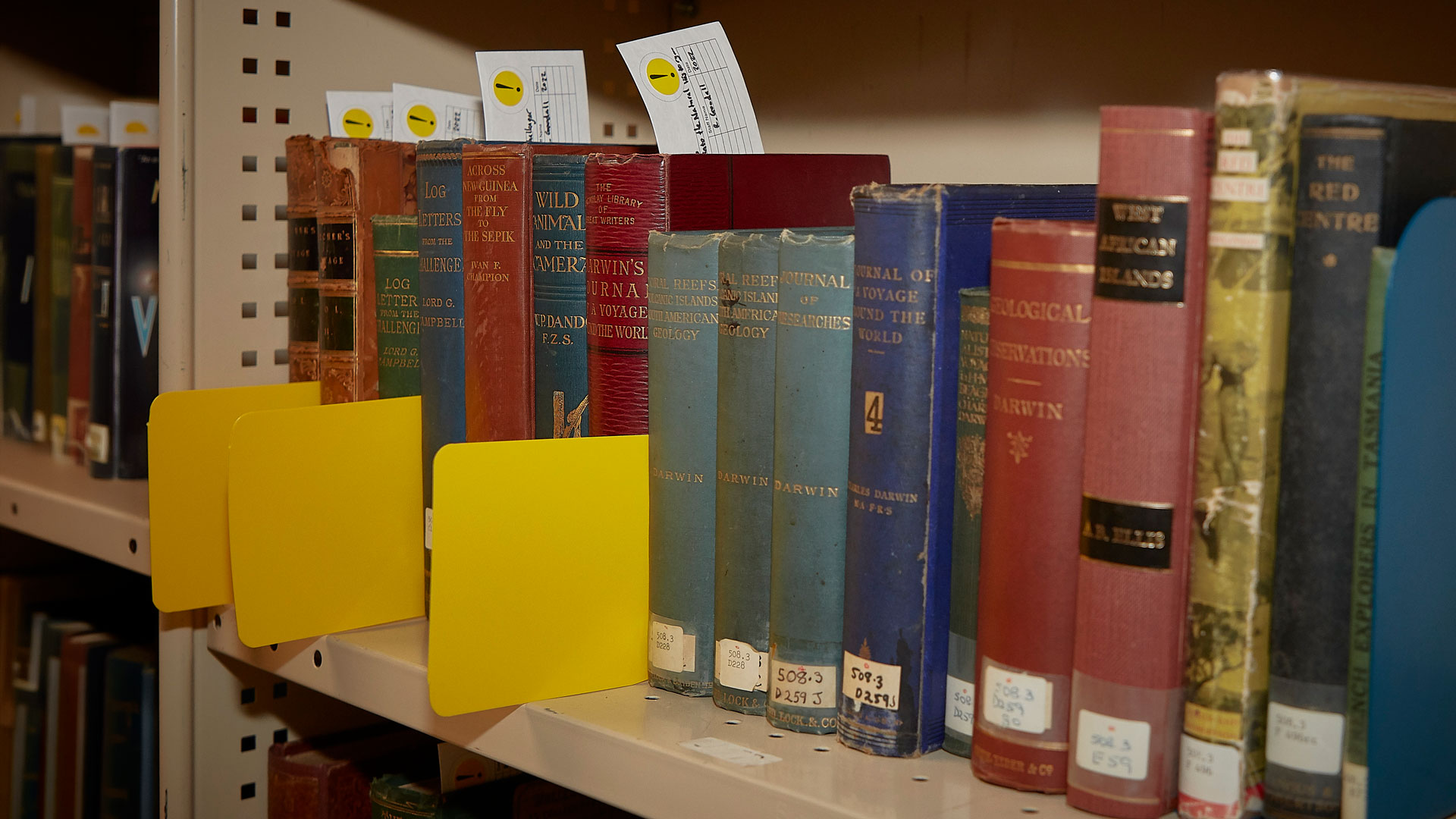
Signage on rare book cabinets containing material with hazardous substances. Credit: Museums Victoria / Photographer: Jon Augier As anyone working with...

From the archive
From the Archive revisits fascinating moments, milestones and voices from ALIA’s history and the broader library and information profession, offering context, reflection and the occasional surprise from the record. If you’d like to contribute to From the Archive, click the ‘Submit a story’ button above.

Signage on rare book cabinets containing material with hazardous substances. Credit: Museums Victoria / Photographer: Jon Augier As anyone working with...

The Royal Agricultural and Horticultural Society of South Australia (RA&HS) traces its lineage to the very early years of South Australian colonisation, with an agricultural society forming in 1839. Prominent early colonists were directly connected to the establishment of the Society, with the Manager of the South Australian Company, David McLaren, its inaugural President. With South Australian colonisation being an overtly commercial exercise, the establishment of an agricultural society to improve cultivation of the land, and subsequently its value, was crucial to these commercial imperatives.

How does collecting political flyers and other ‘throw-away’ items contribute to democracy? Why do we keep collections of political ephemera in Australia? What kind of stories might these items help us to tell?

Documentary heritage reflects the diversity of languages, peoples and cultures. It is the mirror of the world and its memory. But this memory is fragile. Millions of textual and print items such as books, manuscripts, newspapers, photographs and governmental records; millions of films, audio and video tapes and discs are at risk of crumbling into dust or fading away and disappearing for eternity!

For this edition of From the Archive, Irene Guidotti, Digital Librarian at the Australian Museum Research Library, and Janelle Townsend, Creative Producer, Science Engagement and Public Programs at the Australian Museum, bring us a story that bridges past and present — showing how the treasures of our collections continue to inform and inspire the world around us.
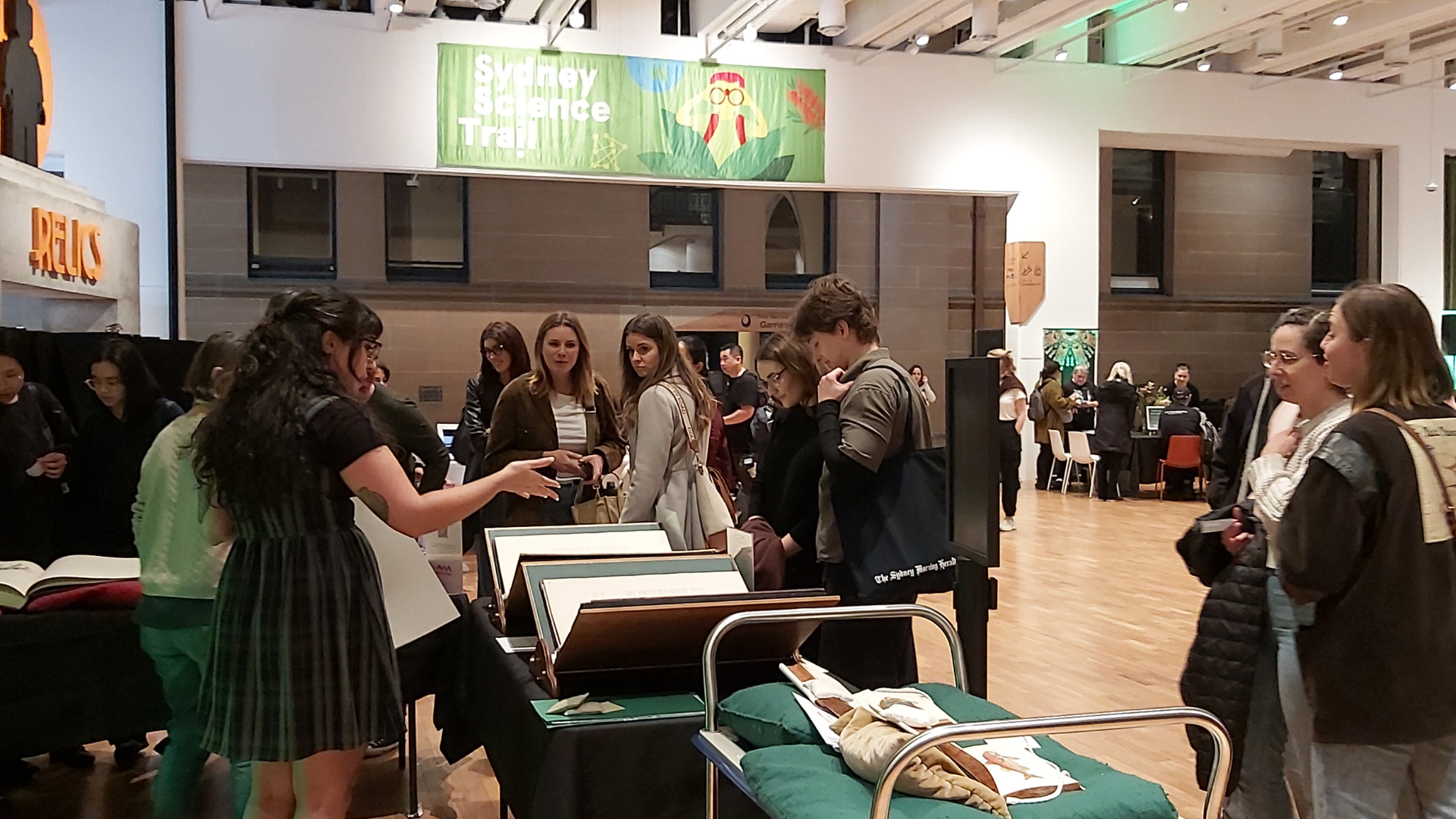
The Australian Museum Research Library’s participation in the Sydney Science Trail is a vivid example of how the materials held in our libraries, museums, and archives are not static artefacts but living resources that shape contemporary science, spark community curiosity, and contribute to ongoing conversations about our future.

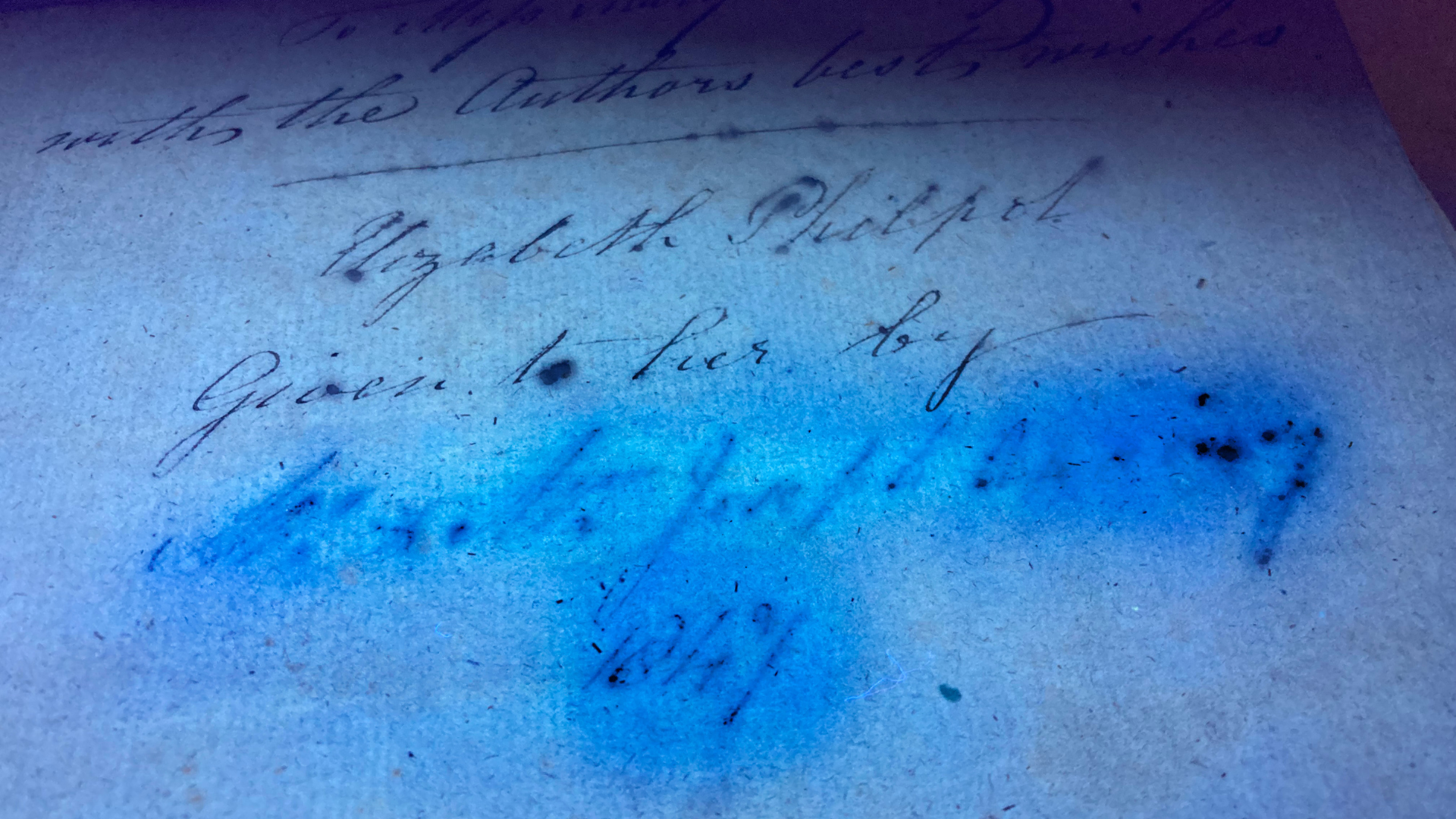
I freely admit to a love of mysteries and have been the butt of many a gentle jibe for endlessly rewatching Agatha Christie adaptations. Therefore, it has been fascinating to be involved in a real-life rare book mystery for the past couple of years. The book once belonged to 19th century palaeontologist Mary Anning and in 1985 made its way into the Museums Victoria Library, where I am library manager, to support museum research.