
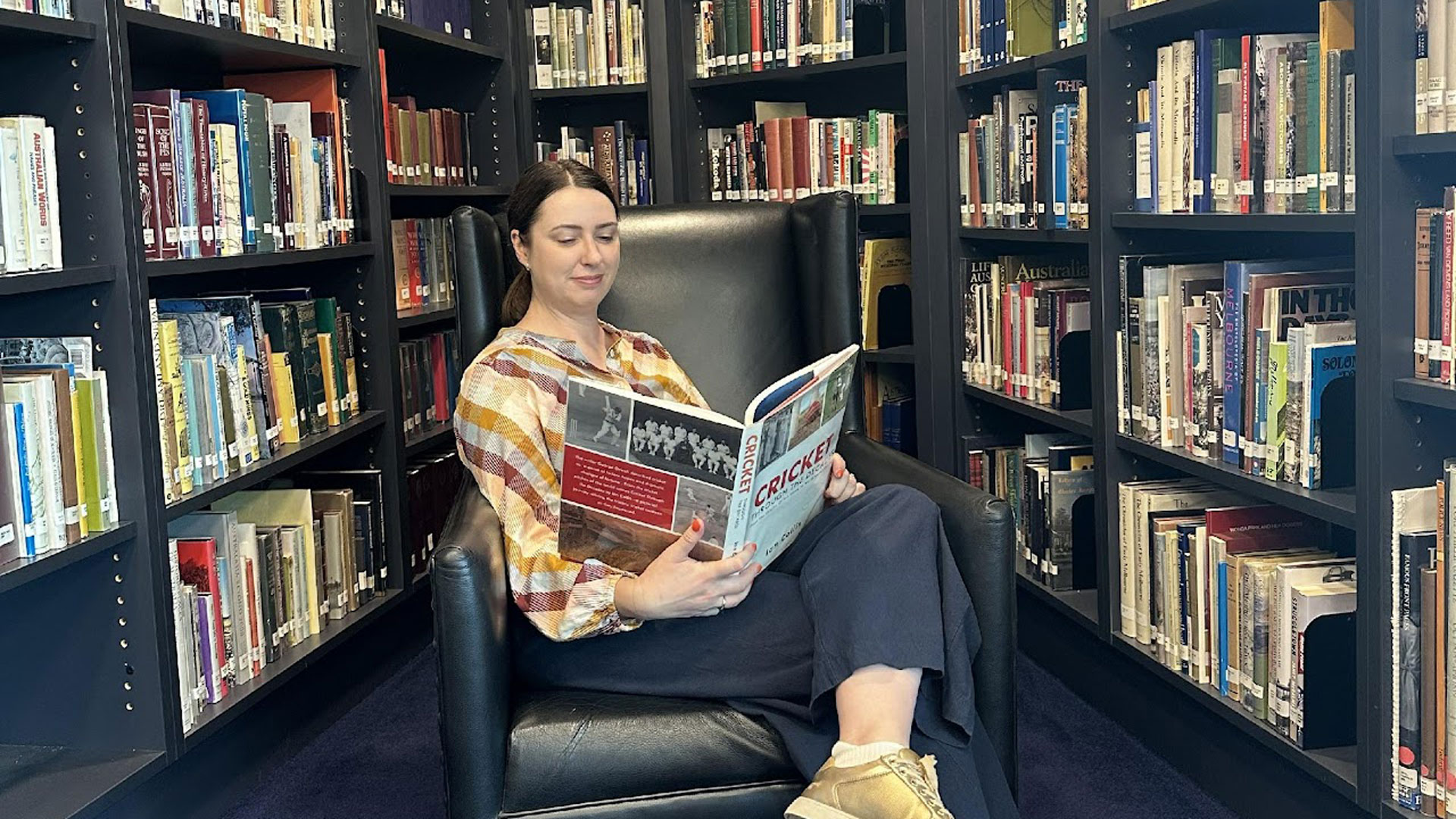
On a trip to Naarm in early February, I had the opportunity to visit the Melbourne Cricket Club (MCC) Library. The Library is housed at the Melbourne Cricket Ground (MCG), on the traditional lands of the Wurundjeri people of the Kulin Nation, in an area that has been a site of learning since time immemorial. During my visit, I thought it important to pretend to be a cricket lover. Although, for the record, I did not have to pretend to be a library lover! Fortunately, my years working at the State Library of South Australia, the custodian of the Bradman Collection, meant I had absorbed a good deal of knowledge of this cricketer at least.
The MCC Library, which celebrated its 150th anniversary in September 2023, is a marvellous example of special library. Special libraries play a unique role as information hubs within organisations like government agencies, businesses, and research institutions, providing focused, high-value information to support specific pursuits or professional goals. Often with a specific subject focus.
Of course, the MCC Library’s collection focus is cricket. However, it is more than just cricket – the library contains one of the most comprehensive and varied collections of sporting books and ephemera in the world (in fact, over 100 different sports are represented). The heritage collections have expanded to include the MCC Museum and the MCC Archives alongside the MCC Library.
The collection consists of approximately one million items, including newspapers, periodicals, ephemera, microfilms, statistical material and videotapes. The books range from recent publications to a collection of rare books (the earliest dates from 1611).
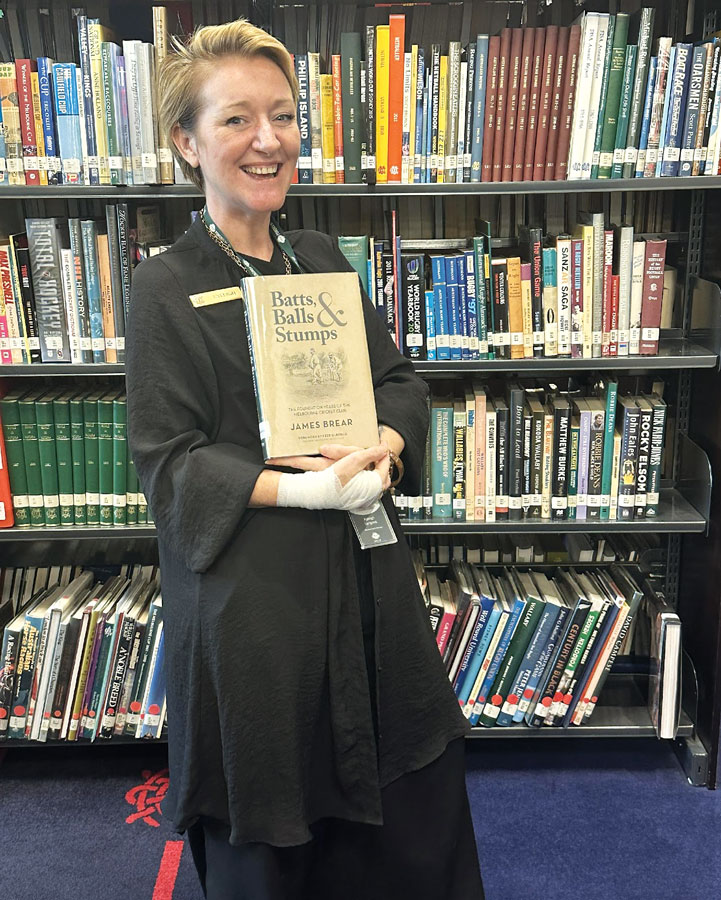
The MCC Library has been publishing The Yorker journal since 1993 to foster and interest in sports history and promote the MCC’s heritage collections, along with the Match Day Fact Sheet. The MCC also has a publishing support program, and I met MCC volunteer James Brear who had just published his book Batts, Balls and Stumps (researched using the library’s collections).
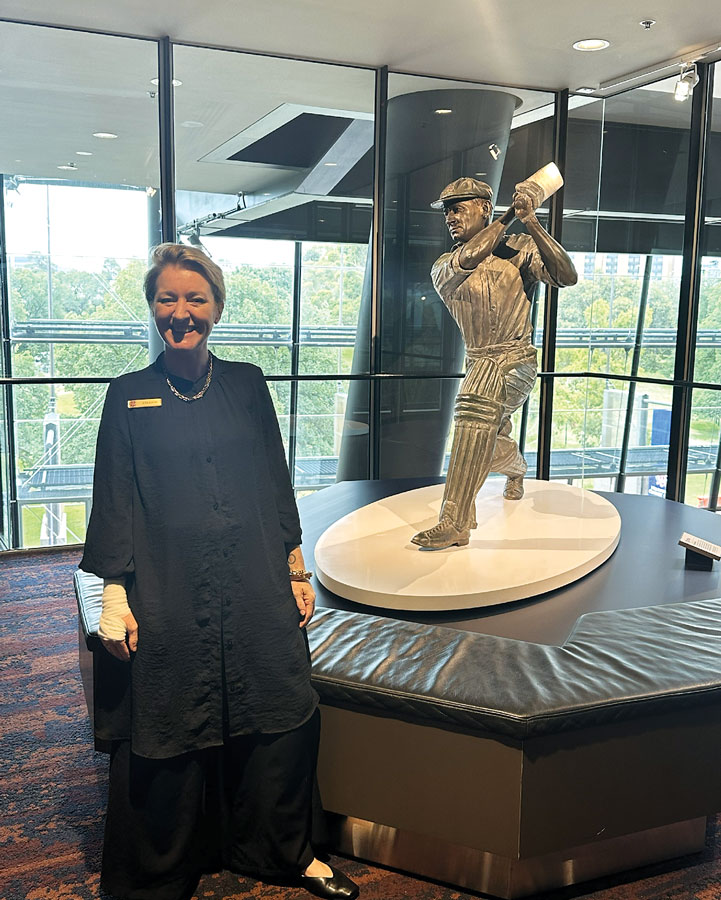
Publishing has always been a major source of the Library’s research requests. Journalists, historians and authors often visit and have produced works containing research from the MCC Library’s collection.
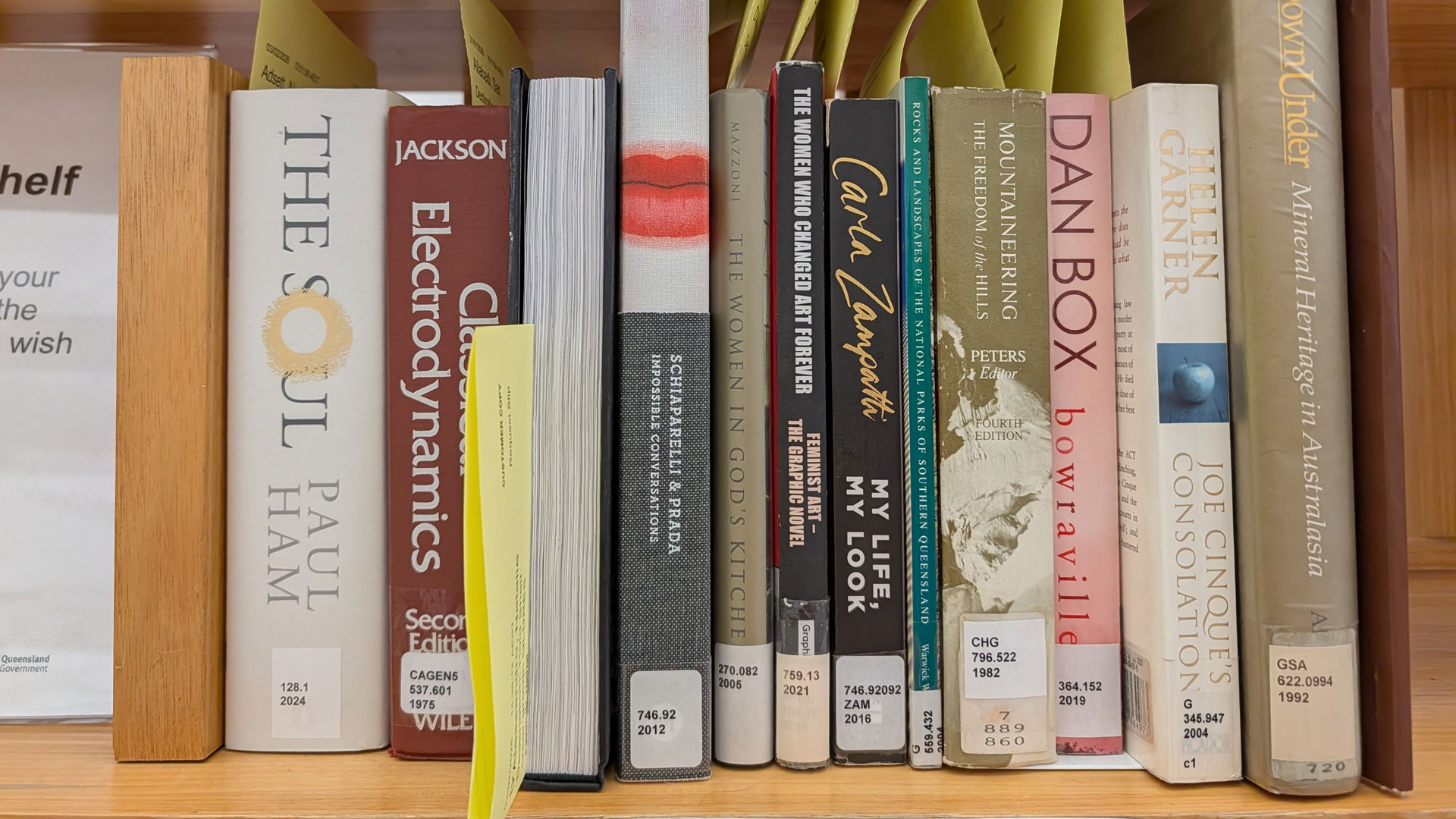
The MCC’s inaugural professional librarian established a special classification system for the library. Like most nerdy librarians, I am a fan of alternative classification systems. The Dewey Decimal Classification is designed to classify everything broadly and cannot accommodate specialised collections that dive deep into one subject. It is also an outdated and biased structure that reflects Eurocentric and Christian perspectives.
In 2025 I had the opportunity to visit the Te Awe Library in Wellington, New Zealand and meet Senior Cataloguing Specialist Bridget Jennings. Bridget spoke to me about the Te Awe Library’s trial of a new way to organise mātauranga Māori literature, grouping works around the atua and their associated systems of knowledge.
More can be read about this system Rooted in Māori Tradition here and the see here for information on the work done by Library and Archives NT and the East Arnhem Regional Council to re-imagine a new and different classification system for Galiwin’ku Community Library.
Another favourite is the Glasgow Women’s Library, where the collection is organised using a feminist classification scheme - created to challenge bias and centre women’s voices.
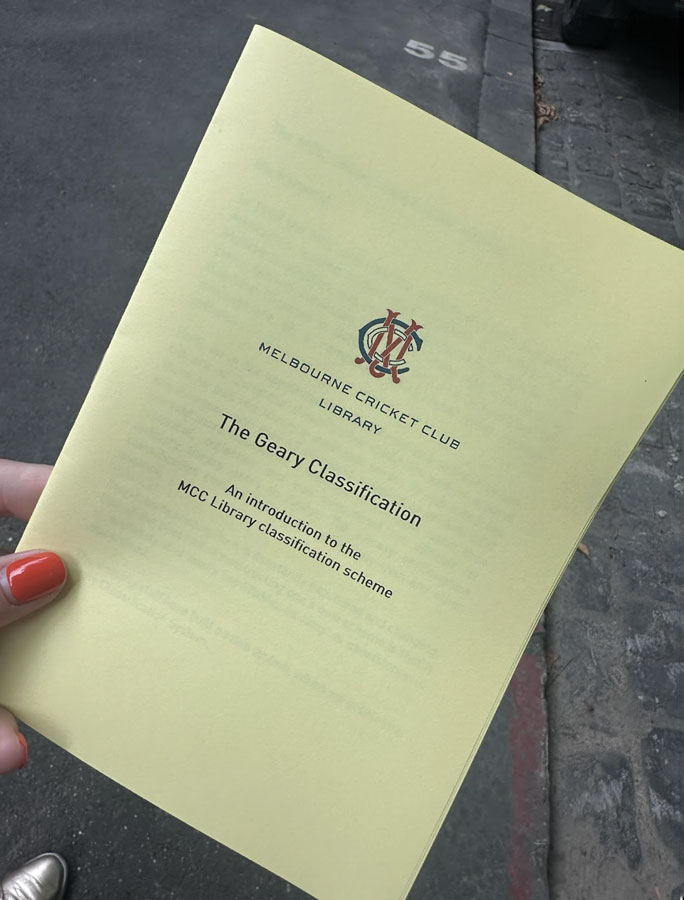
The MCC Library’s Geary Classification is based on the Library of Congress classification schedules, expanded to suit the Library’s individual needs.
An advantage of constructing a library specific classification scheme is that it is easily modifiable, as long as consistency is maintained.
My tour guide, MCC Librarian Kyleigh Langrick not only showed me around the Library and its picturesque reading room, but also took me to the archival store. The types of records held here include administrative and cultural/socio/historical records such as ledgers, minute books, receipt books, photos, scrapbooks, maps and plans, sketches, personal and business correspondence as well as historical realia.
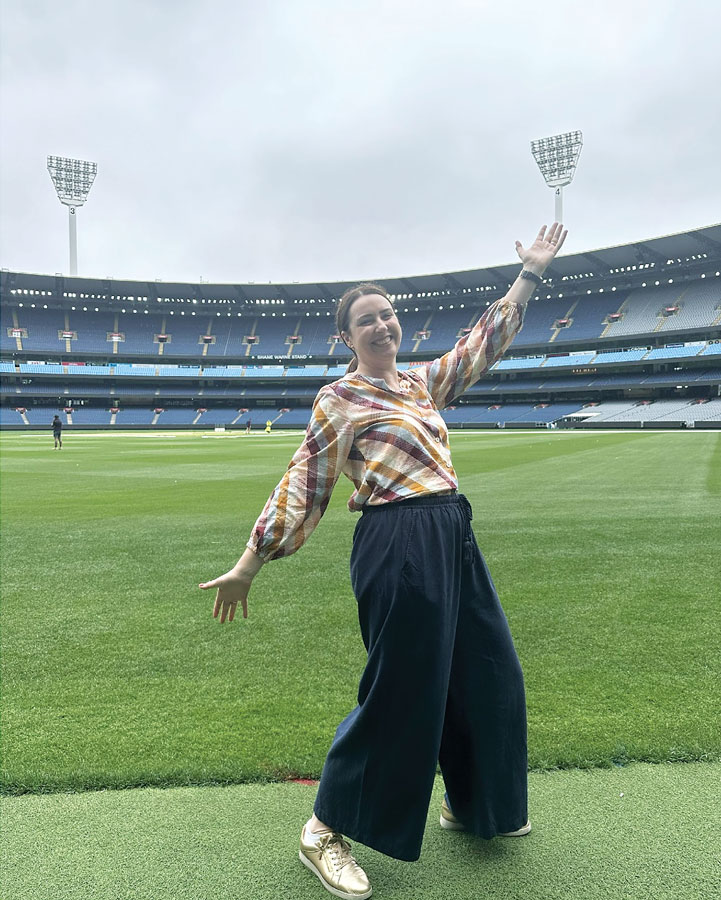
A highlight of the visit was that after our visit to the archival store, we snuck through the MGC away-team changeroom (where my ALF team the Freo Dockers likely cried after their Grand Final loss in 2013) and onto the oval. The MCG is the largest stadium in the Southern Hemisphere, was home to Australia’s first Olympics, and has been the setting for countless historic sporting moments. It was impossible not to feel awestruck by the experience.
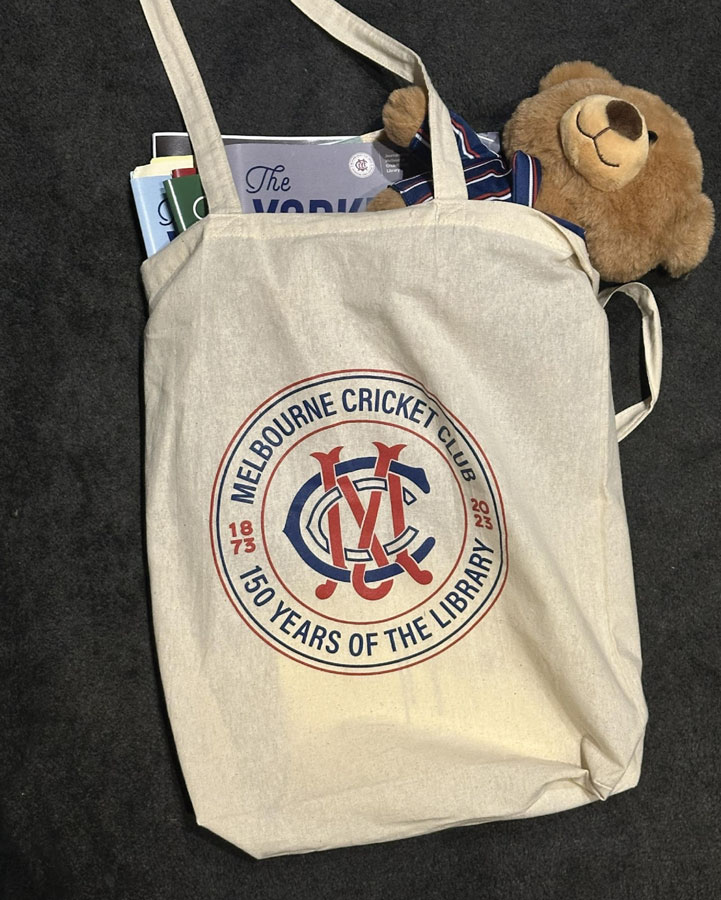
A gatherer, collector and custodian of history, the MCC Library serves an important purpose. It is a terrific example of a special library and I was lucky to visit. I even learned something about cricket.
A huge thanks to MCC Librarian Kyleigh Langrick for the tour, and to her library colleagues for the conversations, copies of The Yorker (which were invaluable for researching this article) and hospitality.
All images credit Emily Wilson.

0 Comments