
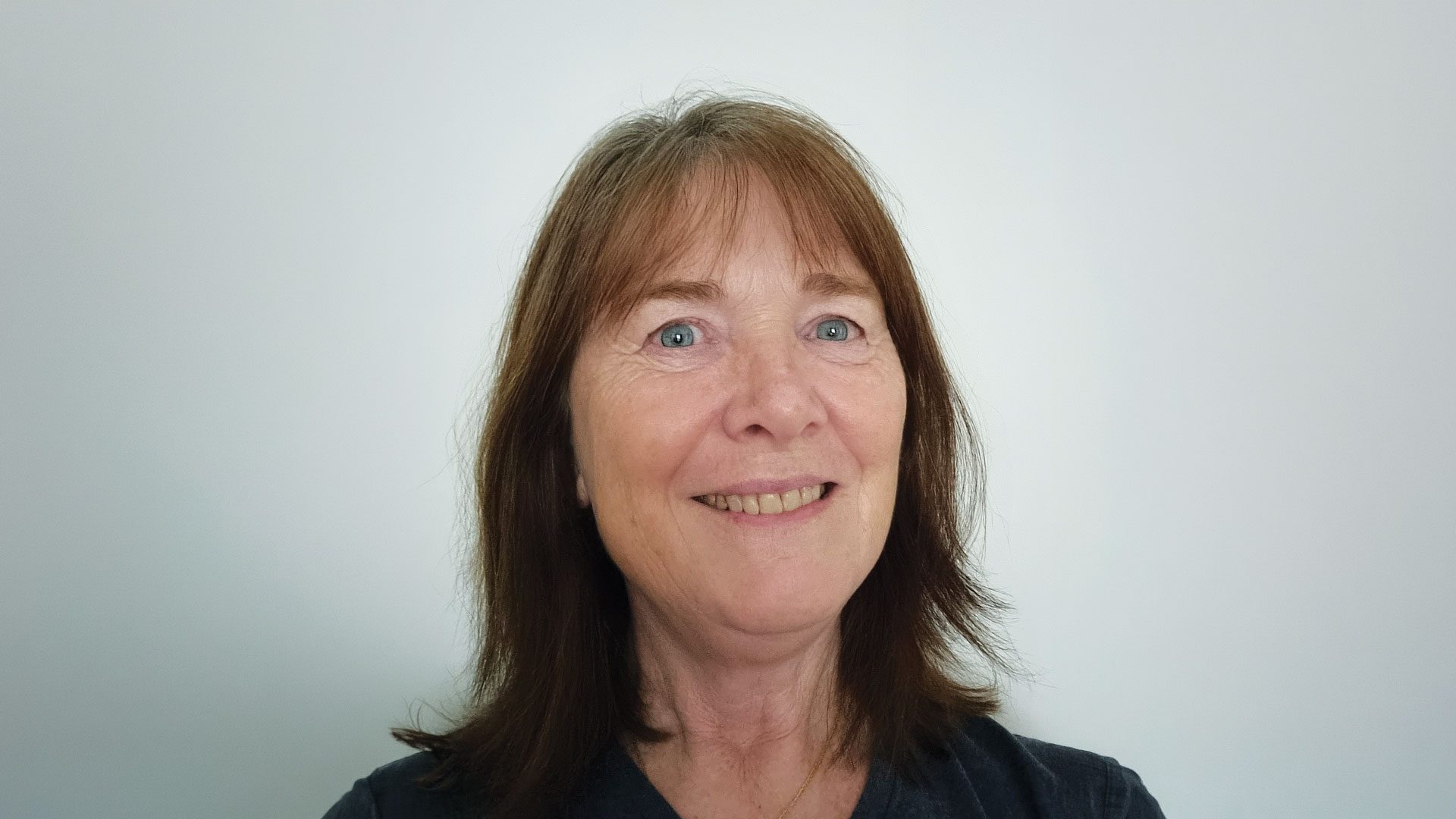
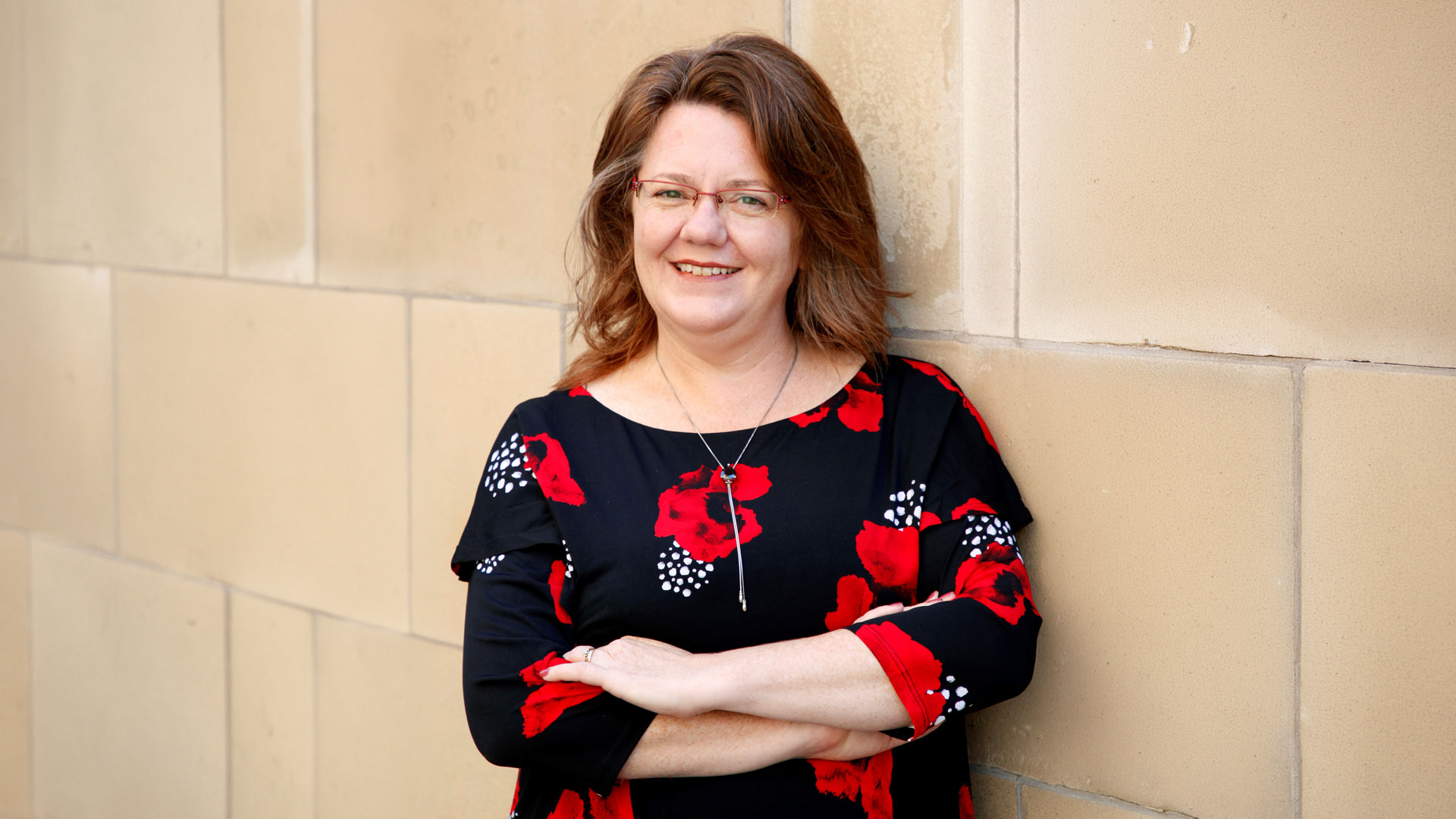
In this Library Stories, we meet retired librarian Jane Shelling, whose career spanned hospital libraries, national information services and the Australian Institute of Criminology. From championing evidence-based practice to volunteering across literacy, heritage and community organisations in retirement, Jane reflects on a profession that continues to shape her life well beyond the workplace.
What was your first job in the library and information sector?
My first job was as a library technician at the Canberra Hospital Library, a job I was offered after a work placement as part of my course with the Canberra Institute of Technology. At the Canberra Hospital Library I gained experience from all the different areas of the library from inter-library loans to serials and circulation. Not only did I receive a good grounding in library work but what really stuck with me most was how service and deadline driven hospital libraries were. I enjoyed the work so much that I studied by distance and obtained my degree from Curtin University and then was able to progress and work as the Technical Services Librarian and later the Reference Librarian. At this time the internet was in its infancy but exciting, significant changes were underway. The library was part analog with a lot of print material and faxed inter-library loans, and part digital with limited access to online databases. I remember preparing a precious little booklet for clinical staff, detailing how to access the few available electronic journals online, it was quite a process! This was also the time of a big push to evidence based medicine and the role of medical librarians began to evolve. This meant we were constantly learning in order to keep up with new developments and share our expertise with our clients.
To help meet this need I began to see the advantages of professional development. Firstly I embarked on the ALIA CPD scheme having already joined ALIA in 1992, and I became amongst the first to complete the 2000-2003 triennium. I also served for 2 years as ALIAHealth President which gave me great networking opportunities. These activities and the support from colleagues at this time was invaluable.
Tell us about a career highlight?
Without a doubt a career highlight was being awarded a Churchill Fellowship in 2010. At the time I was managing the National Drugs Sector Information Service, which was part of the Alcohol and other Drugs Council of Australia (ADCA). ADCA was the peak, national, non-government organisation representing the interests of the Australian alcohol and other drugs sector, providing a national voice for people working to reduce the harm caused by alcohol and other drugs. The Information Service provided information right across Australia particularly to alcohol and other drug (AOD) workers who were not affiliated with, or had access to, any other information service such as a hospital library. I travelled around Australia quite a bit at this time, promoting our service and carrying out a lot of database training. It was difficult to reach and inspire workers to access evidence based information because of the pressures of their work, they were often located in rural or remote locations, often had minimal access to IT equipment and also some of our clients didn’t have tertiary qualifications. This situation is what inspired me to apply for a Churchill Fellowship, my project was: To assess methods for providing professional information to community based alcohol and other drug workers. Through visiting similar information services in Canada, USA and the UK, I set out to find ways to provide evidence based information more effectively to those working in the AOD sector across Australia. I found that other countries had similar problems to those in Australia and I was able to successfully share information and experiences and learn from other professionals. One example was networking with Canadian counterparts on the different ways to facilitate the incorporation of the evidence base in the work of Indigenous health workers. This project was invaluable in improving my knowledge personally and applying it successfully across this very deserving sector.
What was your last position before you retired?
I managed the JV Barry Library for the Australian Institute of Criminology (AIC) before retiring about 4 years ago. Again I found myself working in a high quality organisation, which repeatedly punched above its weight in terms of excellent research staff and quality evidence based output. Due to its small size and the openness of its management, the work of library staff was able to be expanded from the traditional library bailiwick so that library staff became involved in the core work of the Institute such as maintaining the AIC website and providing support within the publication process. This effectively embedded the library more firmly within the institute, enabled librarians to assist with core AIC work and also added variety and new skills to the library workforce. For me this is the most rewarding part of library work to be appreciated as a real and essential part of an organisation, working together to further its objectives.
Now what?
Prior to my retirement I was volunteering in areas of personal interest, for example I helped out with the community radio station - RPH Radio (radio for those with a print disability) by reading the news every Sunday. Of course I also naturally gravitated to Libraries ACT as I have a keen interest in literacy but have never worked in a public or school library. I became a volunteer adult literacy tutor for two adults meeting every week and I continue that work. I am a Justice of the Peace and attend a signing centre for the community also organised through Libraries ACT.
I am involved with Rostrum, a community organisation that encourages public speaking and we run a primary school public speaking competition that virtually every primary school in Canberra and beyond participates in. A small team of us run the speaking competition adjudicating towards a grand final in September of each year. I have never worked with young children before (apart from my own) and I enjoy it very much.
I have recently completed a 4 year stint volunteering at the Research Library of the National Portrait Gallery. A small library but with beautiful books and a far cry from some of the material that crossed my desk whilst I was working in health, drugs and crime libraries!
There are a group of volunteers working to preserve the history of the ACT Fire Brigade (Fire Brigade Historical Society of the ACT). They have embarked on a project to collect oral histories from retired firefighters and I assist by organising their contributions and lodging them with the ACT Heritage Library. Whilst involved with this I discovered Amplify. Amplify delivers audio collections from the archives of cultural institutions across New South Wales. These oral histories, are being delivered online paired with machine-generated transcripts. The transcripts need to be proofread to improve their accuracy and enhance their quality. This can be done by anyone and I do this on an ad-hoc basis. This is great fun and no commitment as you can do it whenever you like.
Overall librarians are well equipped to contribute to the community in retirement. Our strong organisational and people skills, information knowledge and natural love of literature make us valuable volunteers. I could not simply stop working when I retired so I carried on volunteering and found there was never a shortage of things to do. After all I don’t want to waste any of what I have gained from working as a librarian.
0 Comments