
Originally published in INCITE Magazine Volume 46, Issue 1
It has been ten years since the University of Melbourne’s Trinity College separated Indigenous resources from their non-fiction collection. With the Indigenous collection ever-growing in the college’s Leeper Library we needed to revisit and improve how we manage this collection into the future. As the library technician at Leeper Library, I would like to share my experience in working with the Indigenous collection and how our team are carefully considering and approaching its management of the reparative description process.
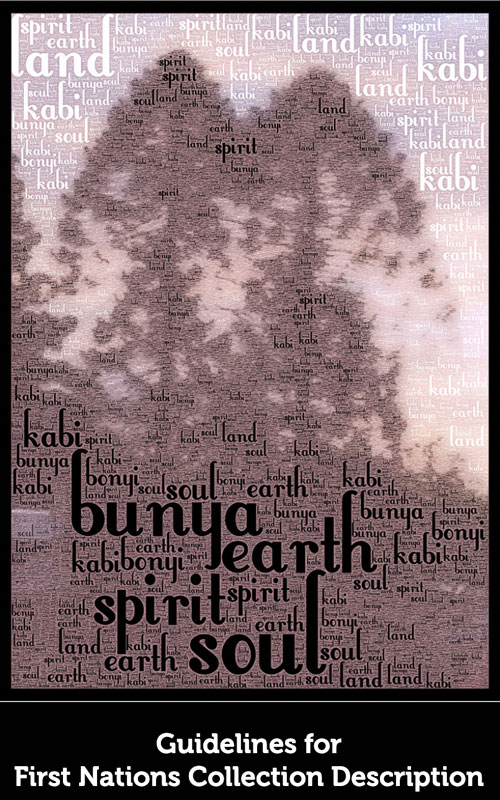
At the ALIA Library Technicians Symposium held in March 2024, Renate Beilharz presented on “Revitalising Catalogue Data and Standards to Cultivate Respect”, which was one of my key takeaways from the event. I then discussed what I’d learned from the session with my manager, Heather Bailie, who fully supported me to conduct a review of our Indigenous collection based on Renate’s presentation and the recommended resources from ALIA, including the AIATSIS subject Thesaurus (AIATSIS, 2019), Guidelines for First Nations collection description (Raven, 2023) and AustLang search for controlled vocabularies.
The catalogue review project officially started on 1 May2024. The primary goal was to enhance the accuracy of existing records, improve the searchability of indigenous resources, and eliminate outdated or offensive terminology – all part of a broader University-wide effort to move towards a more respectful inclusive community engagement model.
I began by conducting research on using inclusive language in content description and reviewed our cataloguing in descriptive fields and subject headings.
Our collection includes a diversity of content relevant to Aboriginal and Torres Strait people, especially in DDC 300, 700 and 900. Many of our resources are from before the 1990s, and many of the descriptive fields of our catalogue records contained terminology that is no longer used or no longer appropriate to be used.
The Reparative Description for Indigenous Section Task was then created in MS Teams to document the process and track project progress. The Team task included a step-by-step workflow-and instructions on how I would review and update the cataloguing records as well as all reference sources I used for this task.
My approach was as follows:
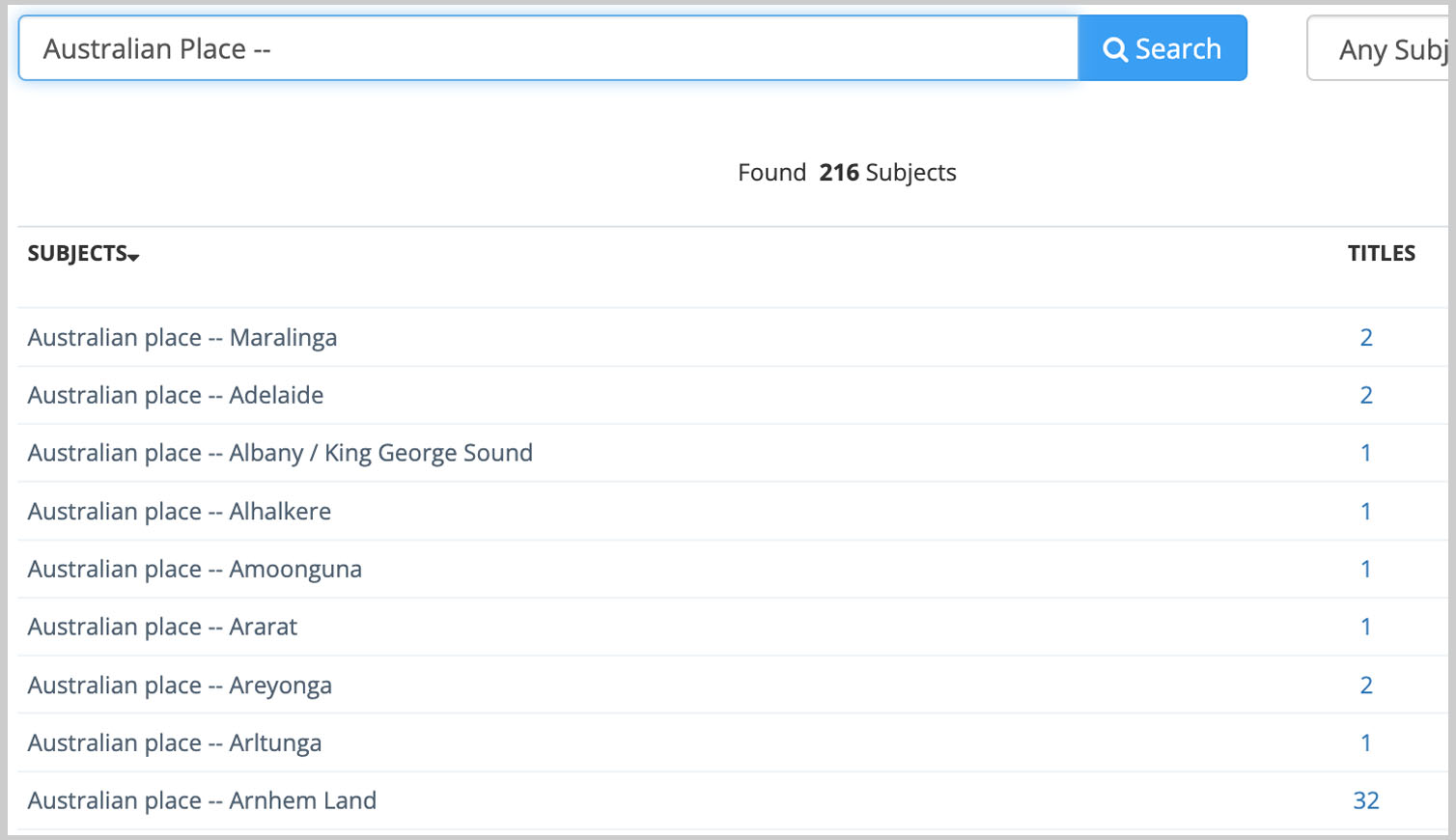
First, I created three primary subject headings to be subdivided into Australian people, Australian language and Australian place. For example: “Australian language -- Bundjalung”, or “Australian place -- Budj Bim”. Since our current Library Management System cannot edit the MARC records directly, I used this structured format in to ensure consistency and alignment with controlled subject thesaurus from ATATSIS. This approach helps us easily extract and sort records using Excel or CSV documents, enabling better interoperability with other systems. Updated subject headings now comply with the AIATSIS Subject Thesaurus and align with the Guidelines for First Nations Collection Description.
I then removed inappropriate terminology from the notes and other descriptive fields. To enhance accessibility, I simplified subject headings where needed to ensure they could be easily understood and that the catalogue included fewer duplications.
I am now in the process of reviewing and updating other inclusive language terms in descriptive notes to minimise harm, including addressing terms related to LGBTQIA+, culturally diverse groups, disability or age biases.
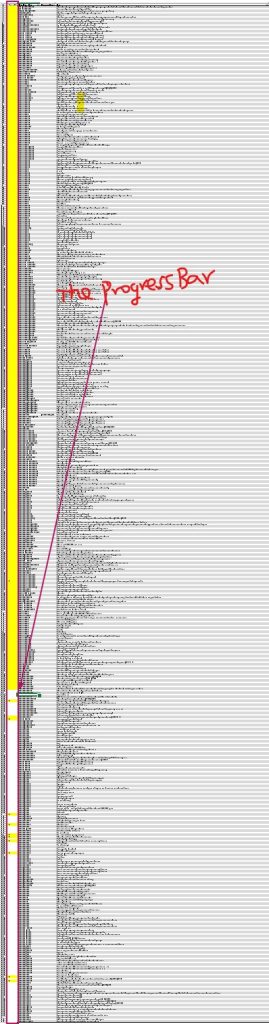
For documenting and better organisation, I created an Excel spreadsheet to sort and track our Indigenous collection by call number, making it easy to measure the progress of the project. I added a Progress Bar column at the front of the document.
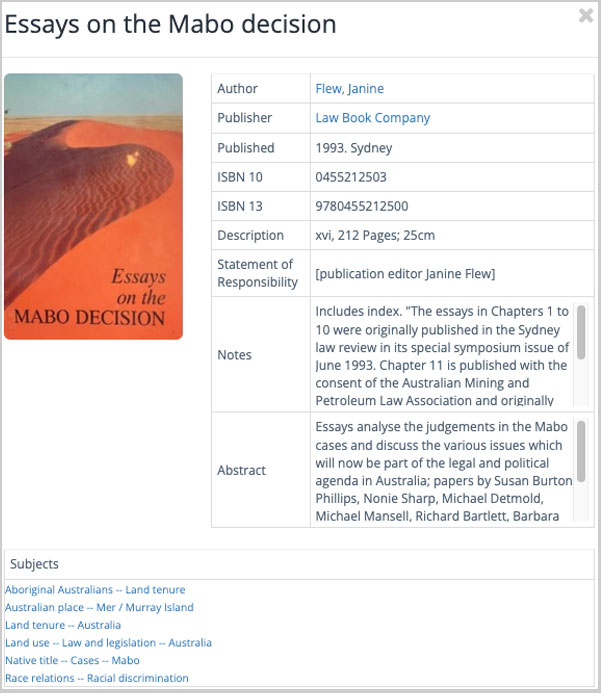
After completing a review of each catalogue record, I highlighted the corresponding cell in the Progress Bar column, visually tracking the progress of the project.
This helped to keep the workflow organized and up to date for colleagues, who might need to review the progress.
To maintain a record of how our Indigenous resources have been cataloged and used in the past I created a separate Excel document to store the ISBN of each book, along with its corresponding subject headings in one column. Whenever I identified subject headings that needed review, I documented these for future reference. This ensures that we have a historical record of past decisions, which can be valuable for future cataloging or study purposes. My main reference sources for subject headings were the AIATSIS Subject Thesaurus and the Library of Congress.
As I worked through the project, I welcomed feedback and suggestions from our users, from colleagues, and I regularly consulted our Indigenous Outreach Team for advice and input.
This is an ongoing project, so please feel free to reach out to me at jwen1@trinity.unimelb.edu.au if you have any concerns or questions about the changes being made in our catalogue. Your input is always valued and will be carefully considered.

0 Comments