

The Australian Wine Research Institute (AWRI), at Urrbrae, South Australia, houses the John Fornachon Memorial Library, a specialist library focused on the technical aspects of oenology, viticulture, agricultural business, sensory and food science. The library is primarily focused on the needs of Australian grapegrowers and winemakers, as well as the researchers and extension staff of the AWRI. However, our collections spill over into other agricultural, food and beverage industries, and owned resources are shared with clients from government departments, consultants, students, educators, and the general public through our document delivery service.
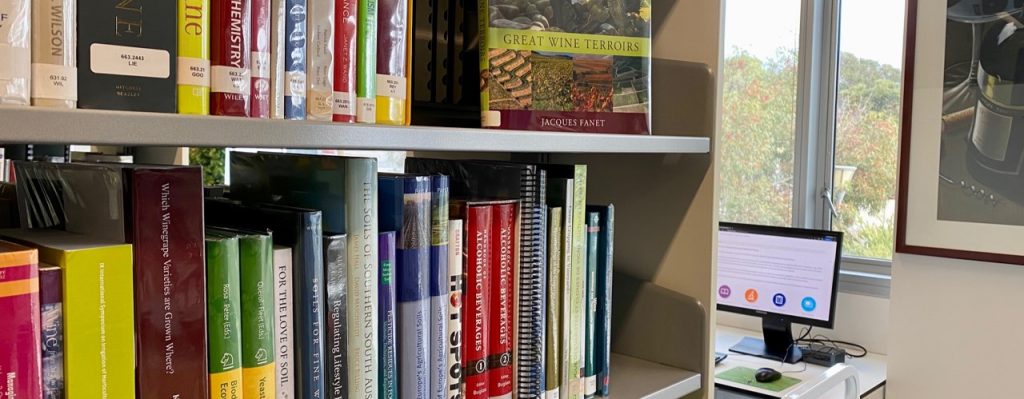
The AWRI is a not-for-profit independent research institute, so while most of our research staff have affiliations with universities around the world, the AWRI is not an education institute itself. The library is funded by Wine Australia, with grape and wine levies from Australia’s grapegrowers and winemakers and matching funds from the Australian government. As levy income fluctuates, project funding can also vary, meaning the library operates within a budget that reflects broader industry conditions. Its ongoing funding is considered with input from an advisory committee comprising industry stakeholders. While accountable to Wine Australia, the library is neither classified as government nor entirely corporate, placing it in a unique position where resource licensing and sharing is particularly complex, and continually demonstrating value is essential. Fortunately, the library has been punching above its weight since the 1970’s, with usage increasing each year and demonstrating a positive return on investment.
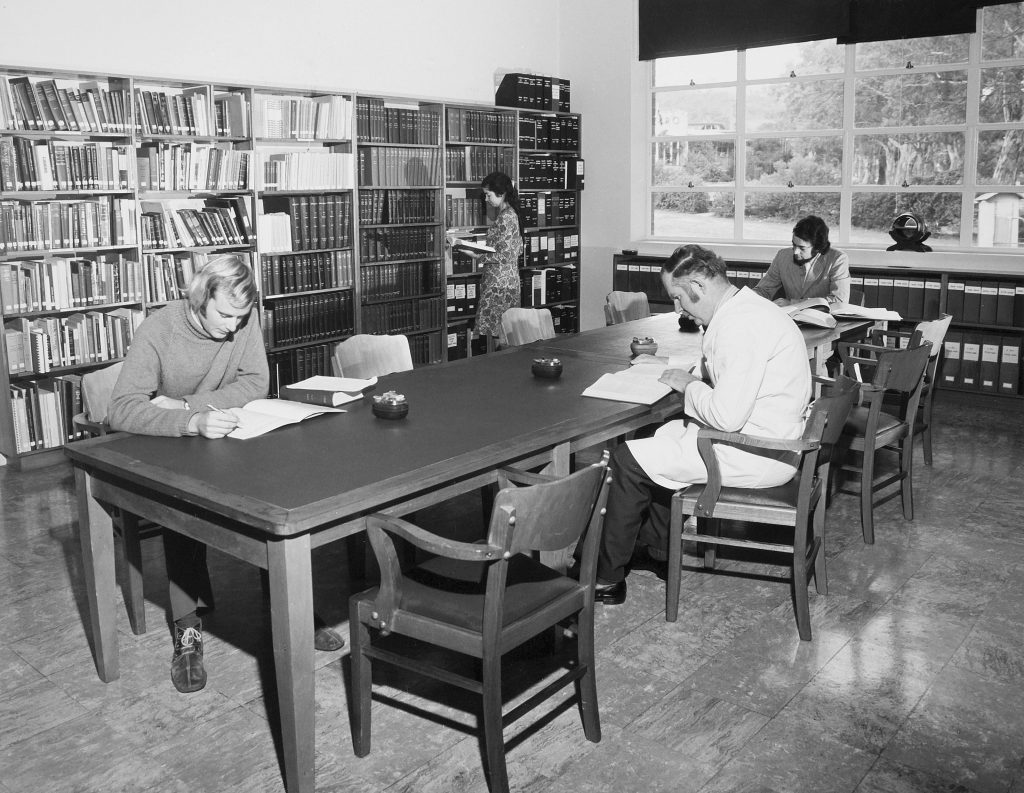
(Lawrence Rhodes Photography ©1974 The Australian Wine Research Institute)
As part of a 2025 review of our services, conducted in collaboration with Consultant Informationist Michele Gaca and Innovative Influences Principal Consultant Jeanette Gellard, we surveyed Australian industry-focused libraries and identified only ten comparable specialist library services. Of those, just six offer services directly to industry members beyond the staff of a specific department or organisation, and only two provide remote access to online subscriptions. The benchmarking exercise revealed a dramatic variation in approaches with many industries closing libraries in recent years, sometimes replacing traditional library collections with website ‘knowledge hubs’ that index only freely available grey literature, or with research-monitoring and alert services. Budgets and staffing levels also varied considerably, with library staff to customer ratios ranging from 1:45 to 1:1,320.
The review also highlighted how publishers’ reluctance to offer licence terms, packages or pricing models suited to specialist libraries can prevent small libraries from modernising to the level their users expect. Despite these pressures, specialist industry libraries that provide verifiable information, like ours, are irreplaceable and increasingly important in an age of misinformation.
The John Fornachon Memorial Library fills a gap in public access to scientific and agricultural research with 49% of the physical collection not held in any other Australian library, and fewer than 0.1% of the resources requested able to be sourced through public libraries, university library community memberships, or commercial services. The benefits of copyright exemptions applicable to print resources, and interlibrary sharing networks (we participate through RapidILL and Subito) cannot be replicated by private commercial providers, and AI tools are yet to capture the trade magazines, book chapters, conference papers and historic grey literature that still account for a significant proportion of our library’s requests. With just one full time staff member, our small library saved the wine industry almost $1 million last year.
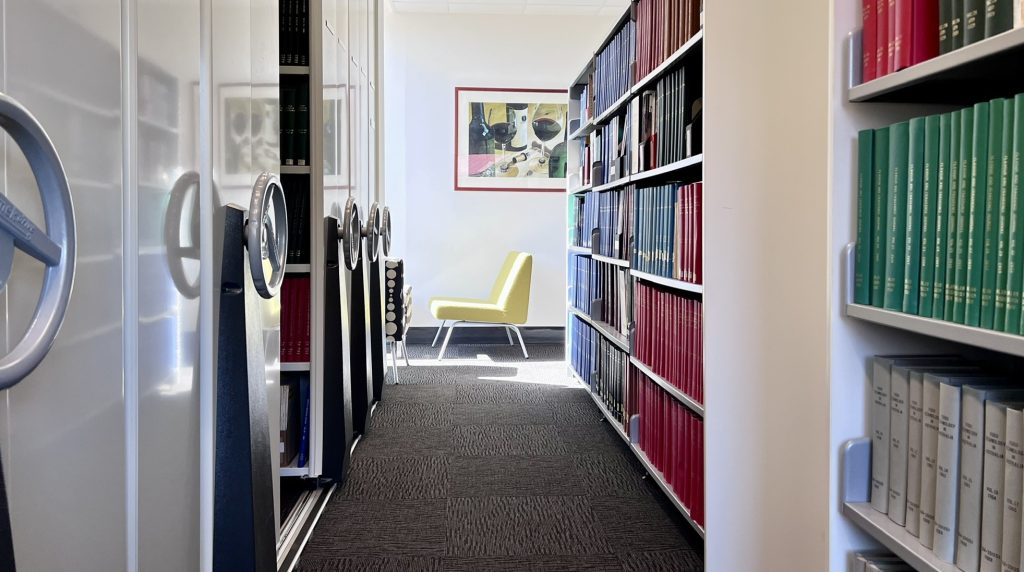
In recent years the library has prioritised online access options over collection comprehensiveness. This reallocation of funding has paid off, with easier access increasing the use of the library’s resources even as our reliance on interlibrary loans has grown. We are now implementing authentication technology and the LibKey Nomad browser extension to embed library services within the AI tools, search engines and websites our users already rely on. Instead of waiting for clients to find the library, we are adapting to changing information-seeking behaviours by bringing the library closer to the point of need. These developments mark an exciting new phase in the modernisation of our service.
The John Fornachon Memorial Library welcomes all members of the public to view the physical library collections at the Waite Research Precinct in Adelaide, and our wine literature current awareness service (the AWRI’s Technical Review) is free to access. Grapegrowers and winemakers in Australia have additional access to online journals, ebooks, interlibrary loans and research assistance at www.library.awri.com.au. Libraries who are not part of the RapidILL network are welcome to request our resources by contacting us directly at infoservices@awri.com.au.



0 Comments